


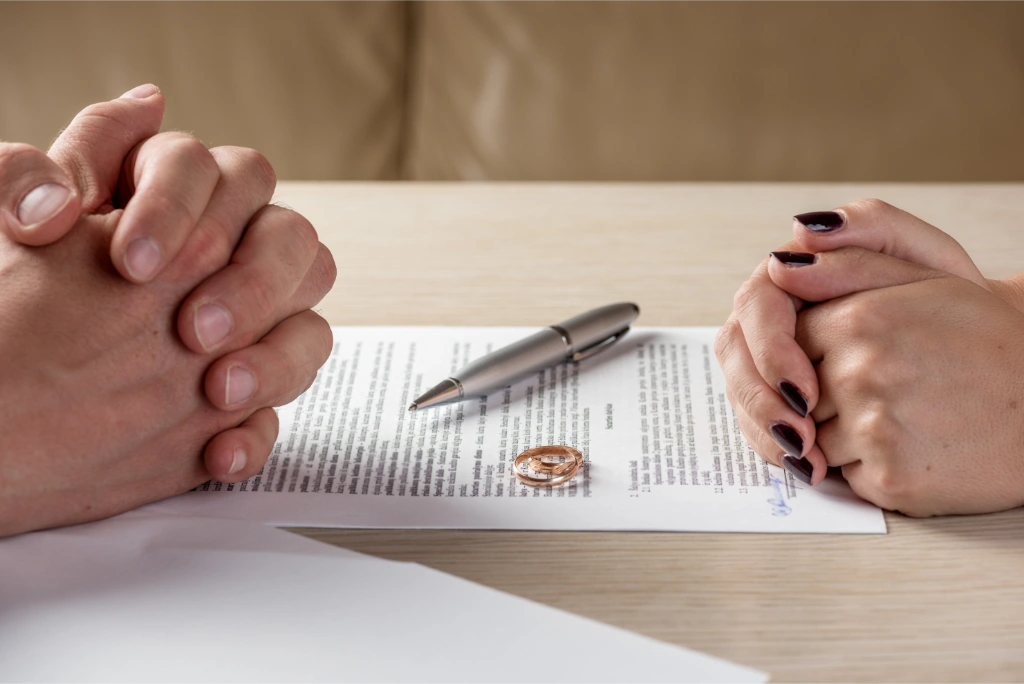
Children undergo many changes in their lives that can have a profound impact on their development and psyche. Events such as going to school for the first time, the death of a pet, moving to a new city, or even puberty can be traumatic.
However, few things will have more of an impact on a child’s life than parents separating. In most cases, separation leads to divorce. That is bad enough, but when children of divorce have to deal with one or both parents embarking on a new marriage, the cup can overflow. Understanding how children are affected in a new marriage can guide divorced parents in helping children cope with the situation.
The Effects of Divorce on Children
The emotional toll of divorce affects everyone in the family, but children are perhaps the most affected. Stability and structure are essential to growing children, and it all goes away in a divorce.
Uncertainty over spousal and child support, living arrangements, parenting time, and many other stressful issues can dominate the lives of children during and after separation and divorce, often at a time when they are the most emotionally vulnerable. The struggle is often the most stressful in the first one or two years as children adjust to their new situation.
Consequently, children may be at risk of the following psychological effects.
Mental Health Problems
Children of divorce live in a stressful environment and that can trigger adjustment disorders. Symptoms include depressed mood, anxiety, and disruptive behaviour that can be very alarming to parents. Adjustment disorders typically resolve after a few months, but the effects can linger, leading to an increased risk of chronic anxiety and depression in the future.
Behaviour Problems
Divorce parents should also prepare for changes in the behaviour of their children. They might notice that a formerly quiet or well-behaved child will start to act out, skip school, pick fights, and become more impulsive. This behaviour is a way for children to externalize the bad feelings, sadness, anger, and anxiety they feel over the breakup of the family.
Poor Academic Performance
Most people believe that divorce has an adverse effect on children’s academic performance, but that is not always the case. When the divorce happens unexpectedly, children’s grades are more likely to deteriorate. However, in families where divorce is likely to happen, children’s academic performance does not change significantly.
Risk-Taking Behaviours
While very young children are most likely to manifest the effects of a divorce later in life, adolescents tend to react almost immediately by engaging in risky behaviour. They could start smoking, staying out late, drinking, experimenting with drugs, and engaging in sex.
How Children Are Affected in a New Marriage
A new marriage may be a good thing for children of divorce, especially if they have minimal contact with one parent before or after the divorce. However, many factors can make the situation a bit tricky, not the least of which is dealing with children brought in from another marriage.
Here are some ways that children will react to a new marriage.
Children may show signs of increased attachment to the parent who is getting married.
Divorce disrupts the stability and structure of the family unit, so children will try to hold on to one or both parents when either one remarries. They may display increased attachment to the remarrying parent, such as reluctance to let them out of their sight or resentment when they show affection for the stepparent and stepsiblings. Children may even try to come between the parent and the new spouse.
Children may feel more like an outsider than part of the new family structure.
Some children have difficulty adjusting to the blended family unit as there are many challenges to overcome in such a situation. The child might start to wonder if they even belong in the new setup. However, as they become used to the situation, they will find their place in the unit and accept the stepfamily as their own.
Children may worry that they will lose the love and attention they used to have.
Children of divorce often feel conflicted about accepting their stepparent because they are afraid their other parent will view it as betrayal or disrespect. They think this will cause a rift between them and the other parent, and they will lose their love and affection.
Children may feel awkward having to get used to two fathers or two mothers.
Divorce is quite common nowadays so there is no longer any stigma about parents separating. However, it might still seem strange to the children to have two sets of parents at first and may lead to some awkwardness in their interactions with their stepparent.
Children may make some comparisons between their natural parent and stepparent in both positive and negative ways.
It is perhaps natural that children of divorce will compare their lives before and after a parent’s remarriage. It might be positive or negative, but either way, it shows that the child is still in transition. In most cases, children will cease to make comparisons after some time.
Children may have a more challenging time finding some space they can call their own.
In cases where the blended family is a large one, children coming into the new home may not get the space and privacy they had before. If the child seems unsettled, the parent must address the issue before it becomes a problem.
How to Help Children Cope in A New Marriage
While conflicts and issues might be expected at the beginning when a parent remarries, that does not mean you should do nothing. Parents set the tone for their children when adjusting to divorce and a new marriage. Here are some strategies you can use to help children deal with the new normal.
Co-Parent Peacefully
The best way to help children cope with a new marriage is to show that you and your ex-spouse are civil, even friendly, to each other. Honour the agreements you made regarding parenting time, decision-making responsibilities, and support. Emphasize that you and your ex-spouse are still their parents and you love them.
Avoid Putting Children in the Middle
If you continue to have ill-feelings or issues with your ex-spouse, do not involve your children. Don’t put them in a position where they have to choose sides.
Maintain Healthy Relationships
Reassure your children about your love and affection for them by continuing to spend time with them as you had before the divorce and new marriage. Pursue shared hobbies and interests and arrange for “just us” time once in a while.
Use Consistent Discipline
One of the major challenges of a new marriage is adjusting to each other’s parenting styles. When it comes to disciplining children, have a united front. Discuss and agree on the rules and policies of the house with the new spouse and make sure you enforce them.
Monitor Adolescents Closely
Adolescents are more likely to act out in a new marriage because they are at a stage when they are particularly insecure and need discipline and structure. Keep a close eye on adolescents for signs of self-destructive behaviour so you can deal with it before it becomes a problem.
Empower Your Children
Give your children a voice in how they want to deal with their new situation. Listen to their concerns and issues and show empathy. Build up their confidence by asking their opinion about your own struggles so that they realize that you need their help as much as they need yours.
Teach Coping Skills
Children go through many emotions and feelings that they might not always understand, especially in stressful situations. Teach children coping skills to get over the worst of their anxieties. Encourage them to verbalize their feelings so they can label and deal with them. Ask them to take slow, deep breaths when they are upset and give them a squeeze ball to help them relieve stress. Find a yoga class online and perhaps attend together.
Help Kids Feel Safe
Children need structure to feel secure and safe, so maintain a predictable routine at home, such as bedtimes and mealtimes. Make sure you are available when they need help or just want to talk. Give them hugs and kisses for no reason.
Get Professional Help
When it seems that whatever you do is just not working to help your children cope with a new marriage, it is time to consult a mental health professional or child psychologist. The important thing is to realize when you have reached that threshold.
Additional Tips on What to Do If Your Child Hates Your New Spouse
| Tip | What to Consider |
|---|---|
| Determine the Real Issue | Before you do anything rash, such as ending a relationship, find out the real reason that your child seems to hate your new spouse. Your child might be struggling with underlying issues that have nothing to do with your new spouse. |
| Talk it Over With Your Child | Sit down with the child and have a serious talk. It might turn out that your child does not hate the new spouse at all. It might originate from a fear of losing your love and affection, in which case your child will react the same way to anyone else as your new spouse. |
| Help Your Child Feel Included | Your child might show resentment towards your new spouse because they feel left out. Reassure your child of your affection and love by spending time together. Include your new spouse when you are in less intimate settings such as the park to give them a chance to forge a connection. |
| Address Your Concerns With Your New Spouse | Talk to your new spouse about behaviour or attitude towards your child that might be causing the rift between them. Figure out a way for the new spouse to help your child adjust to the relationship without pressure. |
| Empower Your Child to Establish Boundaries | Your child might be showing resentment because your new spouse oversteps boundaries. Discuss this with your new spouse and let your child know that it is okay and that you respect their space. |
Divorce forces many children into single-parent families or blended families created by adults living together or remarrying. Protect your rights as a parent with the help of a family lawyer! Contact Gelman & Associates today!
Seek Assistance from a Family Lawyer in Toronto
A new marriage is often stressful for children of divorce. However, it can also stabilize their lives when handled mindfully, especially when the divorce the parents just went through was particularly hostile.
Protect children from the effects of divorce by seeking the assistance of a family lawyer from Gelman & Associates. Our lawyers can guide you on what can be done and help you through the process, from start to finish.
Call (844) 736-0200 today for more information!