


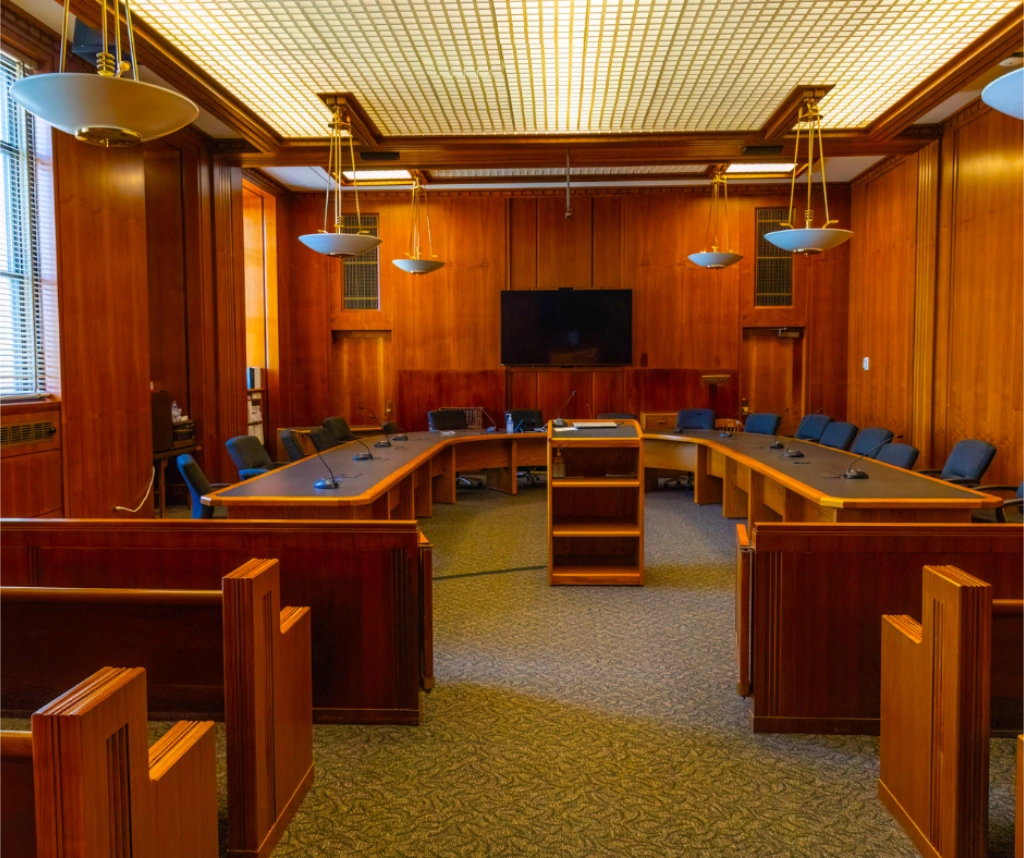
Family law proceedings in Ontario are governed by the Family Law Rules and follow a structured court process designed to promote early and ongoing disclosure, narrow the issues in dispute, and encourage settlement, where appropriate. The process includes a series of procedural steps intended to resolve matters efficiently without the need for a contested motion or trial.
There are generally three types of conferences: the case conference, settlement conference and trial management conference. The case conference is typically the first substantive court appearance and an important procedural step in the proceeding.
In this blog, we will explore what a case conference is, how it works, and what parties should expect before, during, and after attending. At Gelman & Associates, our Toronto family lawyers help clients navigate case conferences when they arise to help them resolve their family law matters fairly.
What Is a Case Conference?
A case conference is a court-supervised discussion between the parties (and their lawyers, if represented) and a judge of the Ontario Superior Court of Justice (SCJ) or Ontario Court of Justice (OCJ). It is an early procedural step in family law proceedings designed to advance the matter in a practical and efficient manner.
Unlike a motion or trial, a case conference is not evidentiary in nature. No witnesses are called, and the court does not make final determinations on substantive rights. Instead, the process is used as a means of assisting the parties in narrowing issues, addressing disclosure, and exploring opportunities for resolution.
What is the Purpose of a Case Conference?
As set out in Rule 17(4) of the Family Law Rules, a case conference is intended to:
- Explore the possibility of settling the case
- Identify the issues that are in dispute, as well as those that are not
- Consider ways in which the issues in dispute may be resolved
- Ensure full and proper disclosure of relevant evidence, including financial disclosure where support or property claims are at issue
- Identify any issues relating to expert evidence or reports that may be relied upon at trial
- Note admissions that may serve to simplify the issues in dispute
- Establish a timeline for the next steps in the proceeding and the orderly progression of the case toward trial, where necessary
- Schedule or organize a settlement conference, where appropriate
- Provide procedural directions in relation to any intended motion, including timetables for the exchange of materials and, where appropriate, the filing of written submissions
- Determine the most appropriate process for advancing a motion to change a final order or agreement in a fair and efficient manner, where applicable
These purposes reflect the court’s emphasis on early disclosure, narrowing issues, and encouraging settlement wherever possible, while also ensuring the orderly progression of the case toward resolution.
Who Attends a Case Conference?
A case conference typically includes:
- All parties to the family law proceeding, such as both former spouses or partners
- Their legal counsel, if represented
- A judge
In most family law proceedings, a case conference is a mandatory and required procedural step before a party may bring a motion, unless the motion is urgent or exceptional circumstances apply. If a party cannot attend, advance notice and court approval are required.
In some cases, the conference may proceed in the absence of one party, which can place them at a procedural and legal disadvantage.
How Are Case Conferences Scheduled For Family Law Matters?
A case conference may be scheduled in several ways:
- By the court at an initial appearance
- At the request of one of the parties
- By direction of the judge
- Through the court clerk or case management process
Once scheduled, parties are required to file and serve a case conference brief within the prescribed timelines.
How to Prepare for a Case Conference in Ontario
Proper preparation is essential to ensure that a case conference is efficient, focused, and productive.
Before attending, each party is generally required to serve and file a case conference brief outlining:
- The background and procedural history of the matter;
- The issues in dispute, including parenting, support, and property matters, as applicable;
- The party’s position on each issue;
- Relevant financial and other evidentiary disclosure; and
- Any proposed resolutions or next steps.
In addition, parties should take steps to meaningfully prepare for the conference including:
- Reviewing and updating all financial disclosure;
- Identifying reasonable and realistic settlement positions;
- Understanding the applicable legal rights and obligations; and
- Consulting with counsel regarding strategy and priorities.
Inadequate preparation or missing disclosure is one of the most common causes of delay at this stage.
What Happens During a Family Law Case Conference?
While the exact procedure may vary depending on the courthouse, case conferences in Ontario family law generally follow a consistent structure.
The matter is first called before a judge in open court or through a virtual platform, depending on how the court has scheduled the appearance. Case conferences may proceed in person, by video, or by telephone, with the format determined by the court based on availability, practice direction, and the complexity of the matter.
Prior to the appearance, the judge will have reviewed the materials filed by the parties, including the case conference briefs, any financial disclosure, and the procedural history of the case. This advance review allows the court to engage directly with the issues without requiring a full background explanation from the parties.
Once the matter is addressed, each party or their counsel is typically asked to provide a brief overview of their position. This is not a formal argument or evidentiary presentation, but rather a concise summary of the issues in dispute, which may include parenting arrangements, child or spousal support, property division, and any urgent or time-sensitive concerns.
The judge will then typically ask targeted questions to clarify the scope of the dispute. These questions commonly address whether financial disclosure is complete, what issues remain unresolved, whether existing interim arrangements are functioning in practice, and whether any urgency or risk factors require immediate attention. This stage often assists in narrowing the issues and clarifying the real matters in dispute.
A substantial portion of the case conference is generally directed toward settlement discussions. The judge may provide neutral, experience-based observations, assist the parties in assessing the reasonableness of their positions, and encourage focused negotiation on discrete issues. The judge does not make final decisions on the issues in dispute, but will often assist the parties in reaching an agreement. Partial settlements are common in these cases.
At the conclusion of the case conference, the judge may give procedural directions to ensure the matter continues to move forward efficiently. These may include orders for further disclosure, timelines for the exchange of documents, scheduling of a motion, settlement conference, or trial management conference, or directions requiring the parties to participate in alternative dispute resolution.
Consequences of Failing to Attend a Case Conference
Attendance at a case conference is expected and, in most cases, required by the court.
Where a party fails to attend without prior permission or a valid excuse, the court may proceed in their absence and may make procedural orders that affect the outcome of the case.
This can include, among other things:
- The matter proceeding without the participation of the absent party
- Procedural or case management orders being made in their absence
- Cost consequences being imposed
- Unnecessary delay that may prejudice their position in the proceeding
Common Mistakes Parties Make at Case Conferences
Some of the most frequent issues our lawyers see that negatively impact case conferences include:
- Incomplete or inadequate financial disclosure
- Positions that are unclear, inconsistent, or unrealistic in the circumstances
- Submissions that are overly focused on past events rather than present issues requiring resolution
- Insufficient preparation or lack of familiarity with the record
- Failure to clearly identify the issues genuinely in dispute
These types of errors often result in adjournments, additional court attendances, and increased fees.
Speak with an Experienced Family Lawyer at Gelman & Associates About Case Conferences
A case conference is most effective when approached with proper preparation, full and accurate disclosure, and a focused, solution-oriented mindset. It is intended to narrow the issues in dispute and facilitate early resolution where possible.
When effectively managed, a case conference often sets the tone for the remainder of the proceeding and can meaningfully influence the direction and pace of the case.
At Gelman and Associates, our family law lawyers assist clients in preparing for case conferences by ensuring they understand the process, have proper disclosure in place, and are positioned to engage effectively in settlement discussions. If you are involved in a separation or divorce matter in Ontario, contact our Toronto divorce lawyers to schedule a confidential consultation.