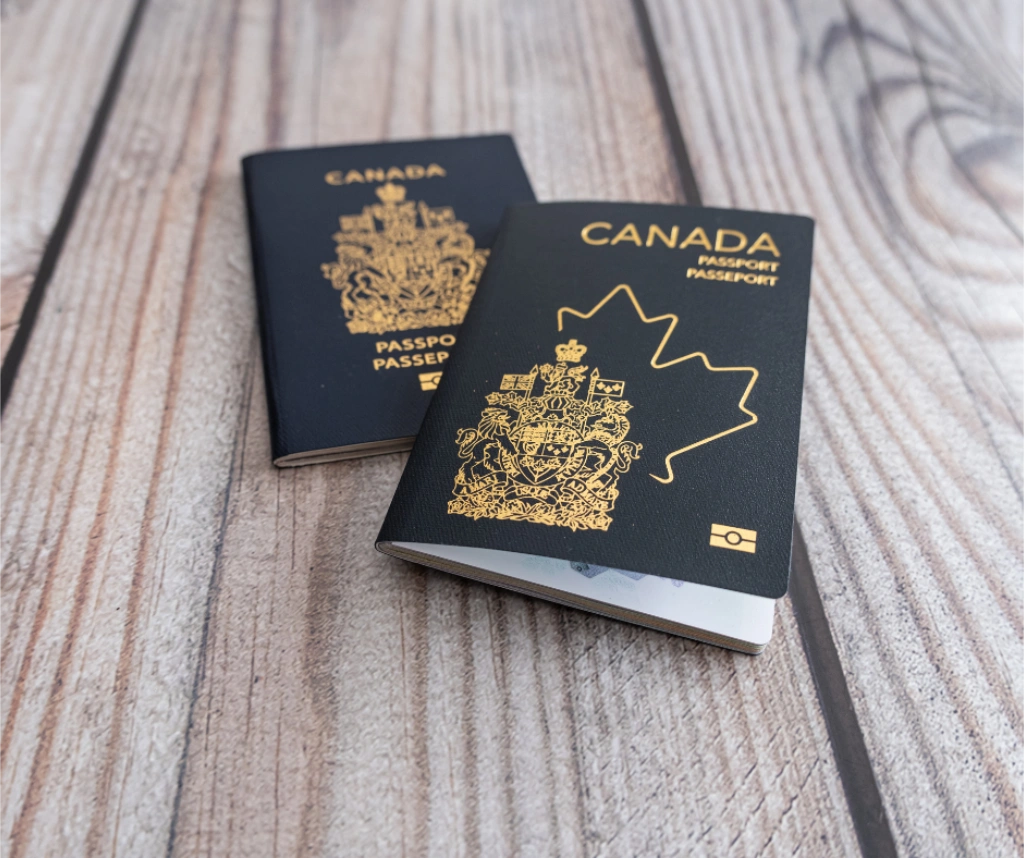



When parents live in different countries or move between provinces, determining which court has jurisdiction over a parenting dispute can become a significant issue. The Supreme Court of Canada recently addressed this issue in Dunmore v. Mehralian, 2025 SCC 20.
In Dunmore v. Mehralian, the Supreme Court considered how courts should determine a child’s habitual residence under Ontario’s Children’s Law Reform Act (CLRA). Habitual residence refers to the jurisdiction where a child is residing and is considered to be “at home” by determining where they have established a regular, settled routine and enduring social ties.
The decision provides important guidance for families involved in relocation, cross-border parenting disputes, and cases where parents have connections to more than one jurisdiction.
In this blog, we examine the background of Dunmore v. Mehralian, the Supreme Court’s approach to determining a child’s habitual residence, the role of parental intention, and the practical implications of the decision for parents and family law lawyers.
Dunmore v. Mehralian (2025 SCC 20): Case Overview
Dunmore and Mehralian had lived in several countries during their relationship, including Oman, where they resided from 2018 until 2020. The family travelled to Ontario in March 2020. Although they initially intended to return to Oman, the COVID-19 pandemic affected those plans, and they remained in Ontario. Their child was born in Ontario in December 2020.
In January 2021, the family travelled to Oman. They subsequently returned to Ontario in April 2021. The parents separated in May 2021. The father returned to Oman, while the mother and child remained in Ontario.
The father commenced divorce and custody proceedings in Oman. The mother commenced family law proceedings in Ontario the following day.
The father challenged the jurisdiction of the Ontario courts. He argued that Ontario was not the child’s habitual residence because the parents had not formed a settled intention to make Ontario their permanent home. He maintained that Oman was the appropriate jurisdiction.
The Ontario Superior Court concluded that Ontario had jurisdiction, and the Ontario Court of Appeal upheld that decision. The father then appealed to the Supreme Court of Canada.
The Supreme Court dismissed the appeal. While the Court was divided on the proper approach to habitual residence, the majority confirmed that the child’s residence under section 22 of the CLRA is determined by examining where the child was actually residing and was “at home” at the relevant statutory time.
How Does the Supreme Court Determine Habitual Residence Under Ontario Law?
The Supreme Court dismissed the appeal and confirmed that Ontario had jurisdiction to determine the parenting issues. The Court took a factual approach to habitual residence, focusing on whether the child was residing and was “at home” in Ontario at the relevant time, rather than requiring proof of a settled parental intention to make Ontario a permanent home.
The Court’s analysis requires consideration of the circumstances of the child’s life, which may include:
- The length and nature of the child’s residence in the jurisdiction;
- The child’s day-to-day living arrangements and routines;
- School, daycare, and other regular activities;
- The family’s housing and practical living arrangements;
- Other circumstances showing whether the child was living as part of the family in that jurisdiction.
These factors are not a fixed checklist, and no single factor determines habitual residence. Instead, the court must consider the circumstances to determine whether the child was “at home” in the jurisdiction at the relevant time.
The decision clarifies that, under the CLRA, a shared parental intention to permanently settle in a particular jurisdiction is not a required element of determining the child’s habitual residence. This provides important guidance in family law disputes involving relocation, international travel, and families with connections to multiple jurisdictions.
Practical Implications of Dunmore v. Mehralian for Ontario Families
The Dunmore v. Mehralian decision provides useful guidance for parents and lawyers dealing with relocation, cross-border parenting disputes, and questions about which court has jurisdiction.
The Court’s Focus on the Child’s Circumstances
Under section 22 of the Children’s Law Reform Act, determining habitual residence does not require the court to find that both parents intended to make a particular jurisdiction their permanent home. Instead, the court must consider whether the child was residing and was “at home” in the jurisdiction at the relevant time.
The decision emphasizes the importance of the child’s actual living circumstances. Where the child lives, how long the child has been there, and the nature of the child’s daily life may all be relevant. This can include housing arrangements, schooling or daycare, daily routines, travel history, and other practical aspects of family life.
The timing of significant events, such as a move between jurisdictions, the parents’ separation, or the commencement of legal proceedings, may also be important.
Family plans may change over time, and parents may be uncertain about where they will ultimately settle. However, a child’s physical presence in a jurisdiction does not, by itself, determine habitual residence.
The court must consider the circumstances as a whole, including whether the child was residing and was “at home” there at the relevant time.
The Role of Parental Intention in Determining Habitual Residence
The Supreme Court closely considered the role of parental intention in determining habitual residence.
The father argued that the parents’ shared intention to settle should be an important part of determining the child’s habitual residence. The Court did not accept that shared parental intention was a required part of the analysis.
The Court noted that the CLRA already addresses situations involving the removal or withholding of a child, including issues of parental consent, acquiescence, and delay. The Court declined to add a separate shared intention requirement to the provision addressing where a child resides.
The decision was not unanimous. Justice Côté disagreed with the majority’s approach and would have given greater weight to the parents’ shared intention. In her view, the evidence supported the conclusion that the parents’ last shared intention was to reside in Oman.
The differing opinions illustrate why habitual residence can be particularly challenging in cases involving international families or frequent moves between jurisdictions.
Implications for Parents Facing Relocation or Cross-Border Custody Disputes
The decision is particularly relevant for parents who are considering or have recently experienced a move between provinces or countries. A parent may regard a child’s stay in Ontario as temporary, while the other parent may consider Ontario to have become the child’s home.
Parents involved in these disputes should consider documenting records relating to the child’s residence, including housing, schooling, travel, and other aspects of the child’s day-to-day life. Early legal advice can also be important where proceedings could potentially be brought in more than one jurisdiction.
Implications of Dunmore v. Mehralian for Ontario Family Lawyers
For family law lawyers, Dunmore v. Mehralian reinforces the importance of developing a detailed factual record when jurisdiction is in dispute. Relevant evidence may include:
- where the child lived and with whom;
- the dates and circumstances of moves between jurisdictions;
- housing and living arrangements;
- schooling, daycare and regular activities;
- employment and practical arrangements affecting the family;
- travel and relocation history;
- the timing of the parents’ separation; and
- the circumstances surrounding any proceedings commenced in another province or country.
The decision is particularly relevant when a family has connections to multiple jurisdictions. Parents may have homes, employment, family members, or other ties in more than one country or province. In such circumstances, determining where the child was actually “at home” may require a careful examination of the family’s circumstances rather than relying on a single factor.
Jurisdictional issues should also be addressed early. If proceedings have been commenced in more than one jurisdiction, the applicable legislation and the child’s circumstances at the relevant time may have significant consequences for which court ultimately hears the parenting dispute.
Speak With Our Toronto Family Lawyers About Parenting Jurisdiction Disputes
Dunmore v. Mehralian provides important guidance on determining a child’s habitual residence under the CLRA.
The Supreme Court’s decision emphasizes the child’s actual living circumstances and whether the child was residing and was “at home” in the jurisdiction at the relevant time. Shared parental intention to permanently settle in a particular jurisdiction is not required.
If you are involved in a relocation or parenting dispute involving Ontario and another province or country, determining jurisdiction can be an important first step. Contact Gelman and Associates to discuss your circumstances and understand your legal options.
Disclaimer: This article provides general information about Ontario family law and is not legal advice. The legal consequences of parenting arrangements depend on individual circumstances and applicable legislation.