


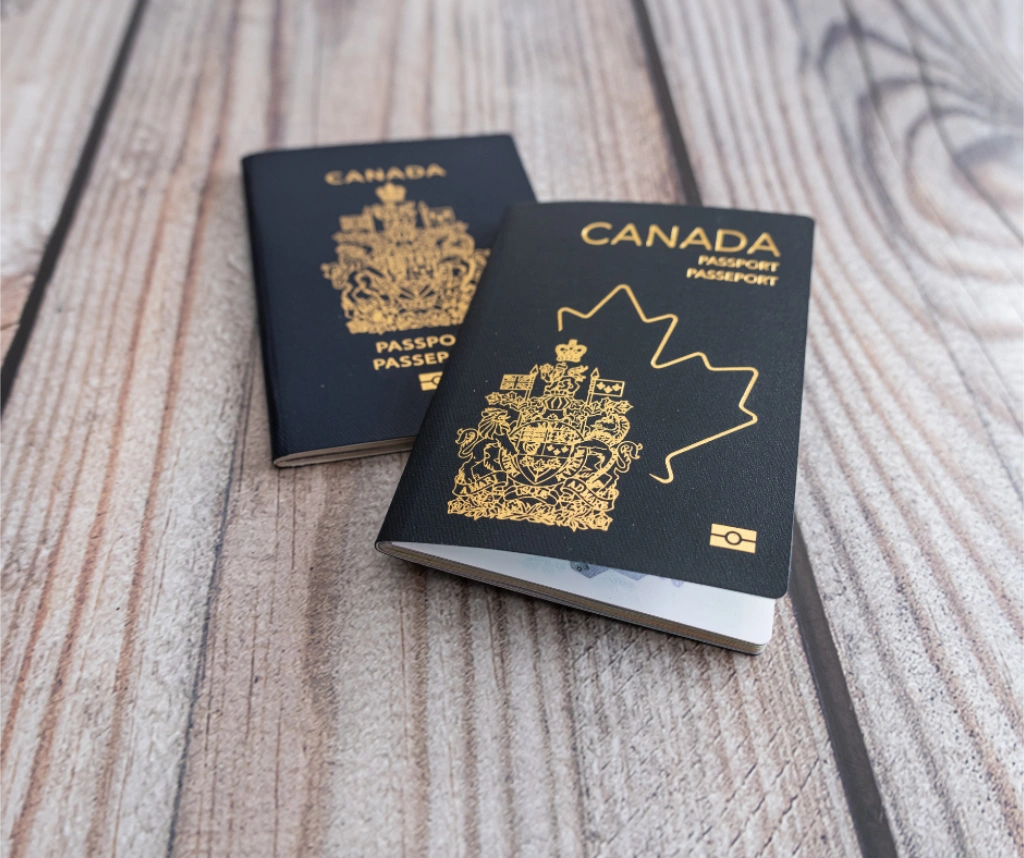
Many separated or divorced parents are surprised to discover that obtaining or renewing a child’s passport is not as straightforward as renewing an adult passport. Questions frequently arise about whether both parents must consent, what documents are required, and what happens if one parent refuses to cooperate.
In Canada, all children aged 15 and younger require their own passport to travel internationally. Once a child turns 16, they must apply for an adult passport when their childhood passport expires.
Every child passport application is treated as a new application, even where the child previously held a passport. As a result, the Passport Program run by Immigration, Refugees and Citizenship Canada (IRCC) requires supporting documentation every time a child’s passport application is submitted.
In this blog, we will review the child passport application process in Canada, discuss how parenting arrangements and decision-making responsibility can affect passport applications after separation or divorce, and explain how courts may resolve disputes involving travel consent and passports. At Gelman & Associates, our Toronto divorce lawyers and our Toronto child custody lawyers frequently help coparents navigate issues related to custody, parenting time, and more.
What Documents Are Needed for a Child Passport Application?
When applying for a child’s Canadian passport, parents are generally required to provide documentation establishing the following:
- The child’s Canadian citizenship;
- The child’s parentage; and
- The applicant’s authority to make decisions for the child.
Proof of Canadian citizenship is usually straightforward. If the child was born in Canada, parents can typically provide:
- A provincial or territorial birth certificate;
- A Canadian citizenship certificate; or
- In Ontario, a certified copy of the birth registration.
If the child was born outside Canada, a Canadian citizenship certificate will generally be required.
As of November 5, 2024, proof of parentage is required with every child passport application, including applications for children who previously held a passport. In most cases, this means providing a detailed or “long form” birth certificate identifying the parents. Depending on the circumstances, other documents, such as adoption orders or certain foreign birth certificates, may also satisfy this requirement.
Additional supporting documentation may be necessary where a parent’s current surname differs from the name appearing on the child’s birth certificate or other parentage documents. In those situations, parents may need to provide:
- A marriage certificate;
- A legal name change certificate; or
- A common-law relationship certificate.
For separated or divorced parents, documentation relating to decision-making responsibility (formerly referred to as custody) is often particularly important. The Passport Program generally expects all parents or legal guardians to participate in the application process, sign the application, and be available to confirm consent if necessary. Where parents share joint or sole decision-making responsibility, the consent of both parents is generally required, unless a court order provides otherwise.
Where there is a separation agreement, parenting plan, or court order dealing with custody or decision-making responsibility, those legal arrangements will determine who has authority to apply for the child’s passport.
Passport Canada Requires All Relevant Family Law Documents
Separation agreements and court orders previously provided to IRCC may still need to be resubmitted with future child passport applications.
Every passport application is reviewed independently. The government now requires parents to provide all current and operative legal documents containing clauses related to:
- Custody or decision-making responsibility;
- Parenting time or access;
- Mobility or travel; and
- Passport-related terms.
This can include:
- Separation agreements;
- Divorce orders;
- Parenting plans;
- Court endorsements; and
- Prior court orders, if any are referenced within newer agreements.
Missing documentation can result in significant delays, particularly during busy travel seasons.
What Happens if One Parent Refuses to Cooperate With the Child’s Passport Application?
Disputes can arise when one parent refuses to sign passport documents, withholds necessary paperwork, or objects to proposed international travel.
In some cases, parents may disagree about:
- Whether a child should travel internationally;
- The destination or duration of travel; or
- Concerns about potential non-return or abduction risk.
Where parents cannot resolve the issue, court intervention may become necessary.
How Ontario Courts Address Child Passport and Travel Disputes
Ontario courts determine passport and travel disputes based on the best interests of the child.
Where proposed travel is reasonable, and there are no legitimate safety concerns or significant abduction risks, courts are often willing to order that a passport application proceed or require a non-cooperative parent to provide the necessary consent or documentation.
In assessing these issues, courts may consider factors such as the child’s relationship with each parent, the purpose and duration of the proposed travel, the parties’ prior compliance with parenting arrangements, and whether appropriate measures can adequately address any travel-related concerns.
The Importance of Clear Separation Agreements for Child Passports and Travel
Well-drafted separation agreements and parenting plans should specifically address issues such as passport possession, consent for international travel, notice requirements, required travel documentation, and each parent’s obligation to cooperate.
Clear and comprehensive terms in this regard can help minimize disputes, prevent missed travel opportunities, and reduce the likelihood of costly litigation.
Consult an Experienced Family Lawyer at Gelman and Associates for Information About Passport Applications for Children Post-Divorce
Parents planning international travel with their children should review their separation agreements and parenting orders well in advance of any trip. Waiting until shortly before departure to address passport issues can create avoidable stress and legal complications.
Our Toronto family lawyers at Gelman & Associates can help separated and divorced parents understand their rights and obligations regarding child passport applications, international travel consent, and parenting-related disputes. Early legal guidance can often help families resolve issues more efficiently and avoid unnecessary litigation. To discuss your options, contact Gelman & Associates at 1-844-736-0200 to book a consultation today.