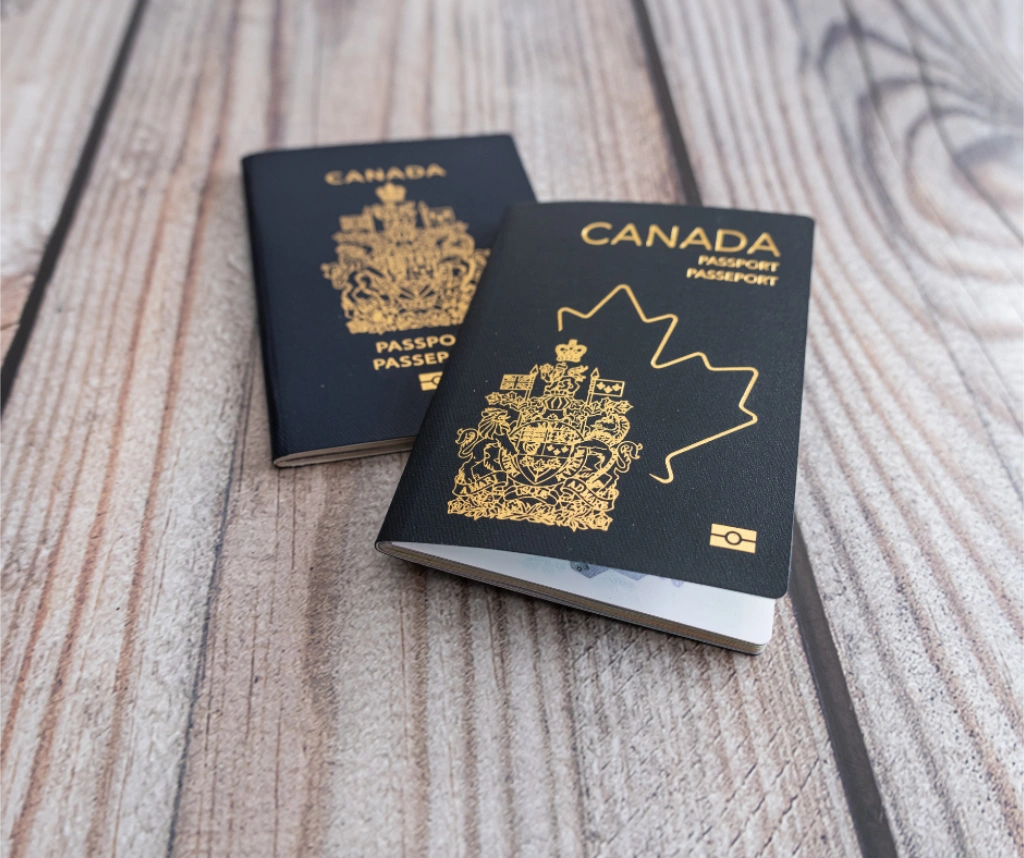


The Ontario Court of Appeal has overturned an earlier decision by an Ontario judge which compelled the mother of two children who had taken her children from England to Canada to return the children to their father in England. The Court found that the original application judge who had heard the father’s Hague Convention application had not considered all relevant factors in making the decision.
What Happened?
The parties were married in March 2007 and have two children, aged 5 and 1, both born in England. Both children are also Canadian citizens.
In May 2016 the wife travelled to Canada with the children to visit her parents. She had the consent of the husband. The trip was supposed to be last approximately eight weeks. After she left England, the wife asked the husband if she could extend the trip by several weeks, telling him she would return in September 2016. The husband agreed.
In August 2016, while still in Canada, the wife called the husband and told him that their marriage was over and that she would not be returning to England nor would the children.
The husband brought an application under the Hague Convention requesting the children’s immediate return to England.
The wife opposed the husband’s request on various grounds. She argued that the husband was physically and verbally abusive and financially controlling. Further, his drinking and smoking reflected an inability to create a safe environment for the children. She had also argued that if the children were ordered to return to England she would have to return with them, thus also putting herself in a dangerous situation. She did, however, concede that the children’s habitual home was in England.
Original Hague Decision
In September 2017, the application judge rejected the wife’s argument that the children would be exposed to a grave risk of harm by the husband if they were returned to England.
The judge granted the husband’s Hague application, noted that any concerns regarding the husband’s alleged misconduct could be dealt with in England. The judge concluded:
The correct jurisdiction to hear any custody and access issues is London, England. [The wife] and the children must return there to deal with these issues.
In November 2017, the judge made a further order providing explicit directions for both parties, including for the return of the children to England.
The court ordered that the husband was to:
- Provide the wife and the children with exclusive possession of the matrimonial home;
- Pay the monthly rent for the home and all monthly utilities and taxes;
- Pay £225 GBP per week in child support and spousal support.
The court also ordered that if the wife were to fail to return the children to England by December 1, 2017:
- The husband would have sole custody of the children and would be permitted to go get them; and
- Local, provincial, federal, and international police and law enforcement would be called in to locate, apprehend, and deliver the children to the husband or to a person authorized on his behalf;
The wife was ordered to deliver the originals of the children’s passports, Social Security cards, and birth certificates to the husband or to the husband’s lawyer, and that once the children were returned to England, the wife would be unable to remove them from that jurisdiction without the written consent of the husband, or the order of a British court.
The wife appealed this order.
Issues on Appeal
The wife argued, on appeal, that the application judge had erred in:
- Awarding custody to the husband as a result of the mother’s breach of his order;
- Ordering her to return to England with the children;
- Declining to assess whether the risk of harm override provision in Article 13(b) was engaged.
The wife noted that if she were successful on appeal, she would no longer seek a new hearing of the husband’s original application but would be content to have the English courts decide remaining issues between the parties (in the interim she had returned to England with the children).
The Court of Appeal Decision
The Court of Appeal stated:
To award custody of the children to one parent as a consequence of the other parent’s failure to obey a court order is an error as it fails to consider or prioritize the children’s best interests.
The Court further noted that the application judge had not had the jurisdiction to order the wife to return to England with the children.
The Court also agreed that the application judge had erred in concluding that he could not determine whether the children were at grave risk of serious harm and delegating that matter to the English courts, noting:
Article 13(b) of the Hague Convention, requires the court to consider the possibility of grave risk of physical or psychological harm to the children arising from an order returning them to their country of habitual residence.
The Court of Appeal noted that it had been an error for the application judge to explicitly decline to decide whether he believed the wife’s allegations of physical and other abuse. If believed, such allegations would engage the protective function of the court to decline to order the children’s return.
The Court of Appeal went on to say that it had been incumbent upon the application judge to consider whether oral evidence was required to allow him to complete his risk assessment or whether he could make a decision based on what was on the record before him. He did not do so.
The Court concluded that, as a result, the application judge’s order had to be set aside, but noted that since outstanding issues between the parties (including the question of whether the wife could return to Canada with the children) are now before the English courts, the Court did not have to order a new hearing of the husband’s Hague application here in Ontario.
If you have questions about child custody, including questions of custody when parents are in different jurisdictions, contact Gelman & Associates. Our goal is to provide you with the information and resources necessary to make informed decisions about family law matters. In addition to a comprehensive family law kit that all clients are given during their initial consultation, we also offer live webinars on divorce in Ontario and quarterly “Ask the Lawyer” live webinars. To help you maintain positive mental health during a difficult period, we also offer our clients a free consultation with a psychological professional. Call us at (844) 736-0200 or contact us online for an initial consultation.