


Creating a parenting plan that works well for parents and children can be challenging, especially during the holiday season. Balancing traditions, special occasions, and the unique needs of each family often requires careful thought and attention to detail. There are many important factors to consider when deciding your holiday parenting schedule. In doing so, you can ensure that the time children spend with each parent during the holidays is fair, consistent, and in their best interest.
If you are having trouble creating a unique holiday parenting plan that works for your family, you can speak with a family lawyer or mediator for assistance. At Gelman & Associates, our family lawyers strive to help families manage their legal matters, so they can focus on spending time with each other. Contact us today to schedule a consultation.
Why is a Holiday Parenting Plan Important?
The holidays, with their traditions and expectations, can be particularly difficult for families navigating separation or divorce. A holiday parenting plan can be vital for providing clarity and structure during a time that is often emotionally charged and logistically complex. When it comes to parenting plans, families can adjust their regular schedules to accommodate their unique holiday agendas.
Without a defined holiday parenting plan, conflicts over time-sharing can arise, leading to stress for both parents and children. A holiday schedule can set clear guidelines, ensuring both parents know in advance when they will have time with their children. This can help reduce last-minute disagreements and emotional strain. In addition, for children, consistency and predictability are crucial during the holidays, when routines are typically disrupted.
Does the Holiday Parenting Plan Override the Regular Parenting Plan?
For all significant holidays your family chooses to recognize, your holiday parenting schedule will take precedence over your regular schedule. Parenting plans often specify that when a holiday falls during a parent’s regularly scheduled time, the holiday schedule will override the normal arrangement. For example, if a child is usually with one parent during the week, but that week includes a holiday already scheduled with the other parent, only the holiday schedule will apply.
After the holiday, the regular parenting schedule will resume unless otherwise noted in the agreement. Some families find it beneficial to resume their parenting plan where it left off to make up for missed time – whether you decide to include such a provision will depend on the preference of yourself and your co-parent. It is important to outline exact dates and time frames when creating a holiday parenting plan so that each party knows when the regular schedule will pause and resume.
How Should the Holiday Schedule Be Decided?
Your holiday parenting plan will be unique to the needs of yourself, your co-parent, and your children. When you are thinking about how to split your children’s time between yourself and a former spouse during the holiday season, you may want to consider factors such as:
- What holidays your family celebrate each year and other important dates
- The amount of time required to celebrate your holidays
- Whether you must make time and/or travel to see extended family during the holidays
- How your holidays interact with your children’s school schedules
- How travel, drop-off, and pick-up logistics will work when you and your partner exchange children over the holidays
- Methods of communication you can use to contact your former spouse or other relatives during the holidays
- Whether you want your holiday schedule to be the same every year or to alternate every year
- And more
Some families like to stick to a single holiday schedule that remains the same each year, while others like to alternate to split their time more fairly. For example, if each parent is interested in spending Christmas Day with their children, they may decide to rotate who has access to the children on December 25th each year.
In addition, if you know that your holiday will require your children to travel in order to see extended family or friends, it may be helpful to include this provision in your schedule. Overall, when creating a holiday parenting plan, it is important to try to come to a mutually satisfactory agreement with your co-parent.
What if Parents Can’t Agree on a Holiday Schedule?
There are a variety of ways in which a holiday parenting plan can be decided. How you and your co-parent create your schedule will depend on your relationship and your goals. If you can communicate effectively, you may be able to agree on a holiday schedule during regular separation, divorce, or parenting time negotiations.
If you and a co-parent cannot agree on a holiday schedule, you may have to engage in alternative dispute resolution. If your separation agreement includes a dispute resolution clause, you can proceed with your agreed-upon method of decision-making. Some alternative dispute resolutions include:
- Mediation: In some cases, parents can speak with a family mediator to help resolve their dispute. Mediators act as a neutral third party between spouses and assist each parent in reaching a mutually satisfactory resolution. The mediator you choose to work with can be a lawyer, mental health professional, or other professional trained in alternative dispute resolution techniques.
- Secondary Arbitration If mediation is unsuccessful, the mediator may conduct a secondary arbitration. Secondary arbitration is an out-of-court process that resembles a hearing or trial but is private and confidential. Arbitrators have the power to hear evidence regarding a dispute submitted by both sides and make a legally binding decision accordingly.
If your separation agreement or parenting plan does not have an alternative dispute resolution clause (such as mediation or secondary arbitration), you may have to go to court to obtain a resolution. A judge will consider the facts and circumstances of each parent’s preferred holiday plan and rule on a schedule that is in accordance with the law and the best interests of the child.
How Can Court Orders Impact Holiday Parenting Plans?
Court orders may affect your holiday parenting plan if you are unable to agree on a schedule. In these cases, the court can step in and issue an order outlining how children’s time will be divided during the holidays. Courts will take into consideration the unique circumstances of your case, including decision-making responsibility, parenting time, and other factors to come to a decision.
Court orders are legally binding and provide clear guidelines about how children will spend their time during certain holidays, how exchanges will occur, and any travel logistics. Violating a court-ordered holiday plan can lead to legal consequences such as contempt of court or modifications to your parenting schedule.
In the case that you cannot reach an agreement with a co-parent and decide to go to court, it can be helpful to work with a family lawyer. A legal professional can help you negotiate a fair holiday schedule and represent you before a judge. In court, a lawyer can advocate for your rights while ensuring that the court-ordered holiday schedule aligns with the best interests of your child. If you need help creating a holiday parenting plan in Ontario, contact our Toronto family lawyers at Gelman & Associates today.
What if I Want to Travel During the Holidays?
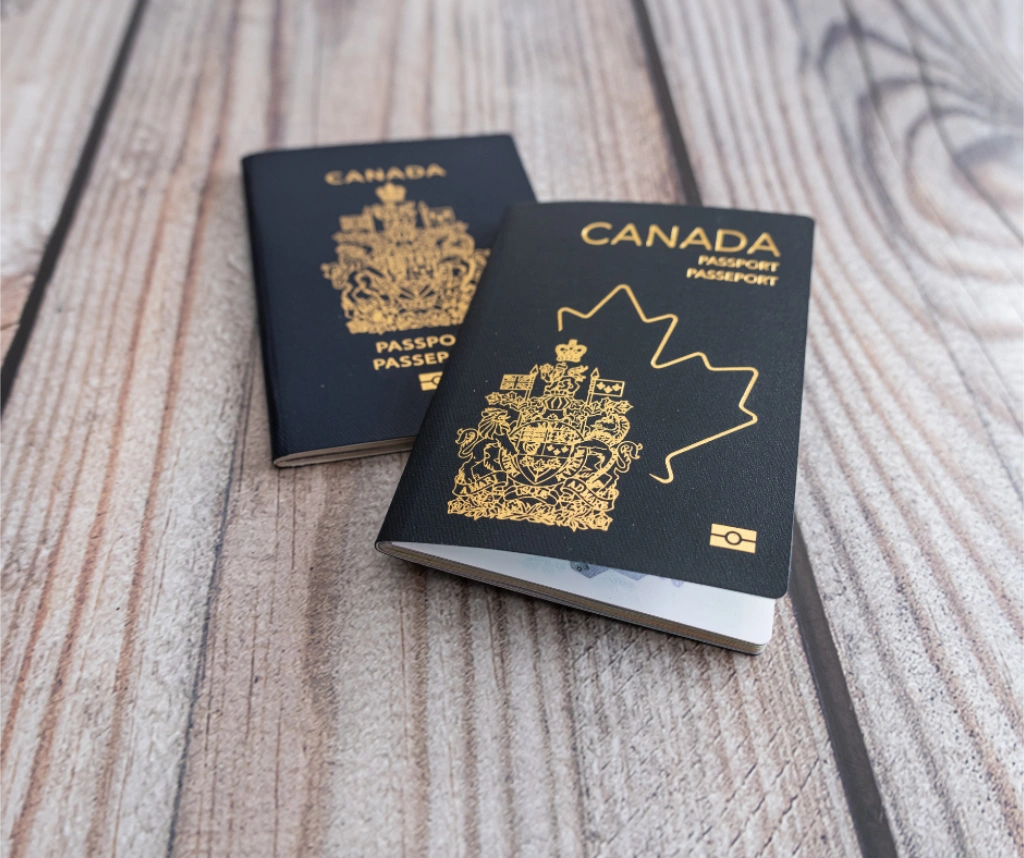
For a child to leave Canada and cross a border for any reason, both parents must consent to their travel. The type of consent or length of time in advance you must give notice of travel plans may vary depending on your decision-making responsibility arrangements. There is no legislation specifying up until what age this type of travel consent is required for shared children. Verification may be left to the discretion of Canada Border Services Agency (CBSA) officers. This is why it is always important to obtain certifiable consent from each parent when travel with children during the holidays is set to take place.
There is additional information you should be prepared to provide if you intend to travel with shared children during the holidays. This may include:
- Your itinerary
- Contact information for the location you are travelling to
- Particulars of the trip
- And more
If one parent does not consent to the child travelling, you may have to go to court and ask a judge for a ruling on your circumstances.
Need Help Creating a Holiday Parenting Plan? Connect With Our Family Lawyers Today
The holidays can be an extremely emotional time for your family if you are in the process of a separation or divorce. By creating a comprehensive and detailed holiday parenting plan, you can make sure that you and your spouse get to spend time with your children during special occasions when it matters most. Whether you need help deciding on provisions, you’d like to engage in alternative dispute resolution, or you need a representative in court, our team at Gelman & Associates can help.
Our experienced family lawyers strive to help clients work out the details of their separation agreements, parenting plans, or decision-making responsibility arrangements. Contact our team today to schedule an initial consultation. With offices all over Ontario, we are prepared to help families navigate their complex legal matters, no matter where they are located in the province.
Disclaimer: For specific legal advice on your family law matter, please consult with a family law lawyer. The content in this article is not intended to act as legal advice and is instead intended to act as a general overview of a legal topic.